
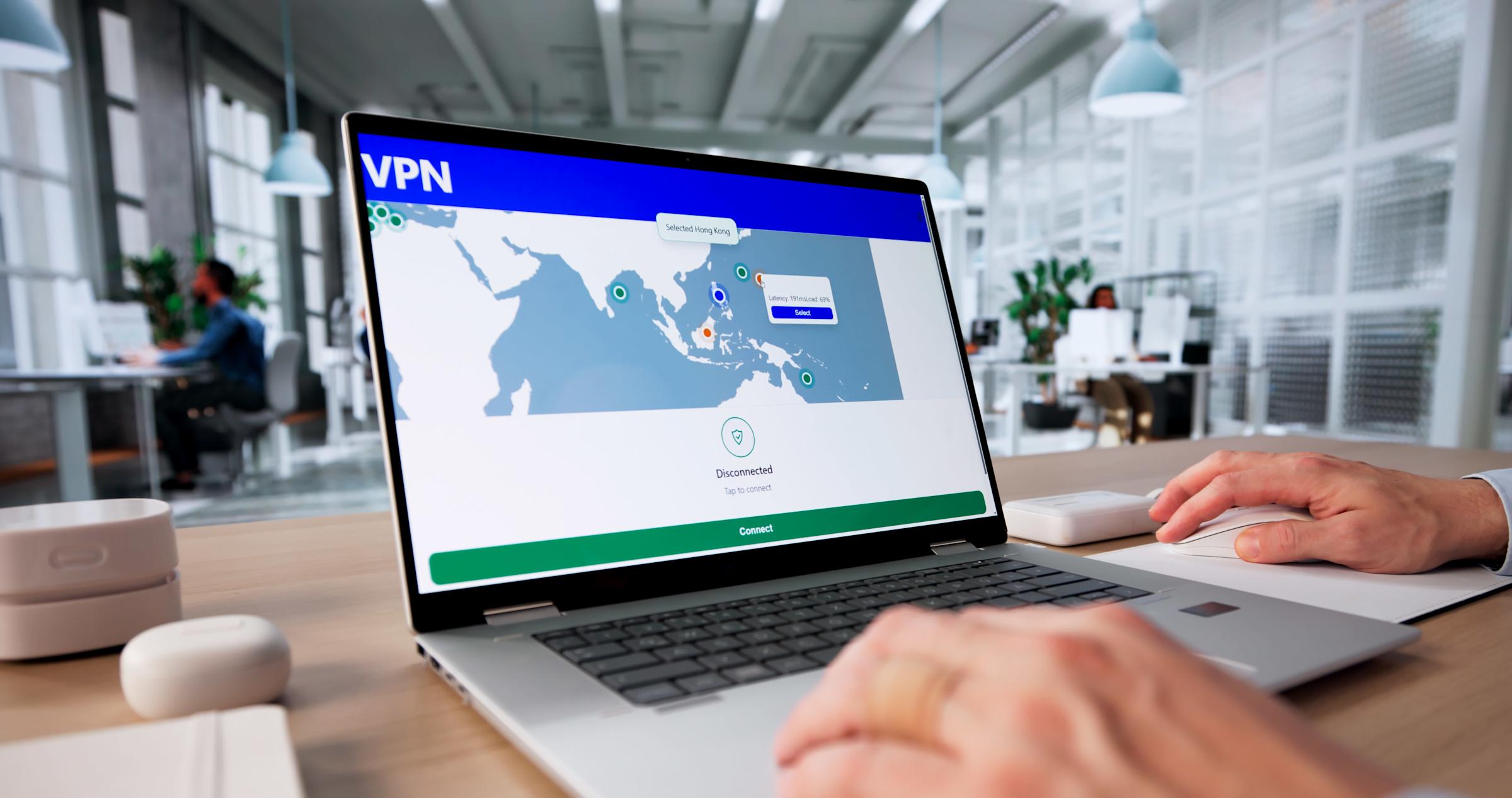
One good thing about virtual private networks (VPNs) is that when they don’t work, the problem is almost always solvable without technical training. Although it’s aggravating when your VPN randomly drops your connection, the chances are good that you can handle the issue yourself without getting tech support involved.
If your VPN is repeatedly disconnecting from the server, I recommend dealing with the problem immediately. When you have your kill switch on as good cybersecurity habits dictate, VPN drops will kick you off the internet. Without that feature enabled, it’ll expose your real identity and location online. That’s not a big deal if you’re just aiming to, say, stream an international sporting event, but it could be an existential issue if you’re using the VPN as a workaround against government censorship. Either way, you can address the issue by working through the eight troubleshooting steps below and checking whether they’ve solved your problem.
8 reasons your VPN keeps disconnecting
I’ve organized these root causes in ascending order of how much effort the solution takes. Try the easier fixes before moving on to the more complex or expensive ones.
1. You’re using the VPN on too many devices at once
Most VPNs limit the number of devices you can connect at the same time on a single subscription. Some services, like Surfshark, claim to offer unlimited simultaneous connections, but they’ll still cut you off if they see signs of abuse. Generally, you can install the VPN on as many devices as you like; it just can’t be actively running on more than the limit.
If you’re trying to connect to the VPN on a new device and it repeatedly disconnects, check how many other phones, computers or smart TVs it’s already running on. Pay attention to devices where you have the VPN set to auto-connect on startup, as you may have missed that it’s running. Disconnect from the VPN on one of those devices and try again on the new one.
2. Your VPN server is slow or overloaded
The problem often rests with the VPN server you’re trying to connect to. Providers regularly shut down servers for routine maintenance. Sometimes, a server is technically online, but it’s under such a heavy user load that it can’t maintain a connection. It’s also possible that the server is so physically far away from you that the connection keeps timing out.
In cases like these, the answer is simple: use another server. Pick a different server by disconnecting the VPN and reconnecting to the same location. If the new server has the same problems, try another location, assuming you don’t need an IP address in a specific country.
3. You’re using an unstable VPN protocol
As I explained in my article on how a VPN works, a VPN protocol is the set of instructions at the heart of everything a VPN does. Not all protocols are the same. For example, OpenVPN over TCP prioritizes speed over connection stability, causing more frequent disconnections. It’s also possible for certain networks to block some VPN protocols but not others (see #8).
If changing servers didn’t help your unstable connection, try switching protocols. WireGuard, OpenVPN over UDP and IKEv2 are best for stability. You can almost always find the protocol options in the Settings page of your VPN app.
4. Power-save settings are interfering
A VPN almost always runs in the background. In some cases, a device’s battery saver settings might shut down the VPN to stop the battery from draining. See if turning off power-save mode stops your VPN from disconnecting randomly (and maybe plug in your device while you’re at it).
5. Your internet connection isn’t stable
Your VPN needs to pass traffic through an ISP like any other online app — it just encrypts that traffic first. If you don’t have a good internet connection, you won’t have a good VPN connection. When you notice your VPN randomly disconnecting, check whether you have problems with your home internet connection. Resetting your modem by turning it off for at least 10 seconds may solve the problem, but you can also just wait for your internet to improve with time.
6. Another program is interfering with the VPN
Other security programs are a frequent cause of VPN disruptions. If you connect to an office VPN, for example, you likely won’t be able to have a personal VPN running at the same time. Likewise, if you use an antivirus program or have a firewall on your device, it may be blocking your VPN from connecting. See if you can configure the firewall to allow traffic through a port used by a VPN protocol.
7. Your software is out of date
If none of the fixes have worked so far, you can often solve your connection problems by updating all the software involved. For optimal security, you should be installing updates the moment they’re available anyway, so this will protect you even if it doesn’t directly solve your VPN problem.
Update your VPN client and your operating system, then try connecting again. If you’re still having problems, try updating your router. You can reach its control panel by entering its default IP address into the URL bar of your browser. Update it as well, then try once more.
8. Your network or ISP is blocking VPN traffic
There’s a chance that your problem originates with your network or ISP, not on the VPN or any device you own. Some networks, especially at offices and schools, automatically block any VPN traffic they detect. These restrictions can even be imposed by entire countries, most infamously in China.
Should this turn out to be your problem, turn on any obfuscation features that may be built into your VPN. Using an obfuscated protocol, connect to a server outside the location being censored, then use the internet as normal. This will be much more difficult if you’re in a country where VPNs are illegal or restricted, but there’s still hope — if you can safely send an email, contact a VPN provider and ask if they’ll send you a configuration directly. Proton VPN is one company that’s officially willing to do that.
If you still find your VPN disconnecting mid-session, you may have a rare problem that doesn’t show up on this list. Contact your VPN’s support staff and do what they recommend. If possible, chat with a live support technician so you can tell them what you’ve already tried.